
As transport and logistics services become more liberalized, freight forwarders gain greater access to international markets and trade routes. This opens the door for more specialized service providers to enter the field, offering tailored logistics solutions to a wider range of clients. With increased competition, forwarding companies are pushed to enhance their service quality, optimize transit times, and reduce operational costs. Liberalization also enables partnerships with foreign carriers and agents, expanding global networks and improving supply chain reliability. However, market dominance by large multinational firms can pose a threat to small and medium-sized forwarders. Without proper regulation, pricing wars and unfair practices may disrupt market stability. Additionally, the rush to scale operations quickly can lead to oversights in compliance and environmental responsibility. To safeguard the sector’s long-term health, clear regulatory standards and fair competition laws are essential. Collaboration between forwarders, carriers, and government bodies can foster a balanced and efficient logistics environment. Ultimately, liberalization should empower forwarders to innovate while ensuring sustainable and equitable growth across the industry.
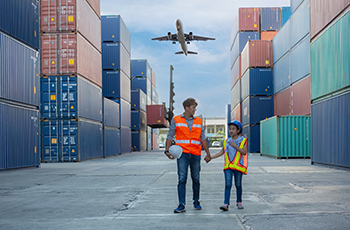

In conclusion, liberalization presents both opportunities and challenges for freight forwarders. It drives competitiveness, efficiency, and global integration, enabling forwarders to expand their services and client base. Yet, without strategic oversight, the benefits may be unequally distributed, putting smaller players at a disadvantage. To thrive in a liberalized environment, forwarders must invest in technology, strengthen partnerships, and adapt to evolving market demands. Policymakers, in turn, must ensure fair access and enforce regulations that uphold transparency and sustainability. A balanced approach will help the sector grow in a way that is both innovative and inclusive, securing its role as a vital pillar of global trade.
Liberalizing transport and logistics fosters global trade and innovation, driving efficiency and lower costs. However, careful regulation is crucial to ensure fair competition and address potential negative consequences.
Transport prices are influenced by a complex interplay of factors. These include fuel costs, driver wages, infrastructure limitations, government regulations, and the overall level of demand and supply within the market.
Our top priority in project transport is the safe and timely delivery of your cargo. This commitment involves meticulous planning, risk mitigation, and proactive communication throughout the entire process.